Outside of those moments, faith can quietly take a back seat when the rest of life presses on with work, family responsibilities, and everything else that fills the day.
But the Church has always grasped religion on a deeper level than that. In Catholic teaching, religion is not simply something you do at certain times. It is actually a virtue, a habit that gradually influences the way you relate to God in the ordinary moments of life.
The virtue of religion is the habit of giving God the honor and attention that He deserves. That certainly includes worship at Mass, but it appears in much smaller ways as well: the way you pray at home, the way you talk about faith with your children, the way your family sees you treat God as someone real and present in everyday life.
Here’s what you’ll walk away with:
- What the virtue of religion actually entails
- Why it matters in everyday life, not just at church
- Simple ways fathers can get started doing it at home
What the Virtue of Religion Actually Is
When most people hear the word religion, they typically think of belonging to a faith or following certain practices. It could mean going to Mass on Sunday, saying prayers, or identifying as Catholic. While those things are important, the Church has a slightly different understanding of religion.
In Catholic teaching, religion is actually considered a virtue. That simply means that it becomes a habit that influences how you relate to God. Instead of faith just being a feeling in certain moments, the virtue of religion gradually shapes how you think about God and how you respond to Him in everyday life.
In normal circumstances, this may appear in simple things such as:
- Prayer, when you take the time to focus your attention on God
- Worship, and especially if you are participating in Mass with intention
- Reverence, in the way you speak of God and treat sacred things
- Gratitude, when you realize the good things in your life are gifts
Another interesting part of this virtue is that it is connected to justice. Justice is about giving someone what they are due. In this case, the virtue of religion means giving God the honor, gratitude, and worship that belong to Him. Over time, this stops feeling like something you only do at church and becomes a natural part of daily life.
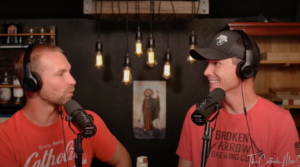
Listen: TCMS Conversations on the Virtue of Religion
If you’d like to consider your faith in the context of everyday life more seriously, these conversations from The Catholic Man Show examine how virtue, discipline, and worship fit into the life of an ordinary Catholic man. You can imagine this as a simple listening path to work through during a commute or a walk while reflecting on how faith shows up in your own daily routines.
Start here
Virtue of Religion, Beer, and the Eucharist
A discussion of what the virtue of religion really means and how honoring God is not restricted to church services but is related to how you live and worship in daily life.
Go deeper
Fr. Mike Schmitz: From Saying Prayers to Praying – Cultivating a Deeper Prayer Life
This episode explores practical questions about faith, prayer, and living as a Catholic in the middle of modern life, with Fr. Mike offering clear and relatable guidance.
For strengthening discipline
A discussion about comfort, discipline, and why building virtue often requires stepping beyond the habits that keep us spiritually stagnant.
What the Virtue of Religion Looks Like at Home
When people talk about virtue and ordering your life, it can sometimes sound like something personal or internal. But the virtue of religion becomes very visible in the home, especially if you are a father. Children rarely learn faith from explanations alone. Most of the time, they pick it up by watching how you live and what you treat as important.
Praying With Your Children
One of the simplest ways this virtue shows up is through prayer with your family. It does not have to be long or formal. What matters is that your children see you actually turning toward God.
When you lead a short prayer before meals, pray briefly with your children before bed, or thank God out loud for something good that happened during the day, those moments start to stick. Over time, prayer stops feeling like something reserved for church and begins to feel like a normal part of everyday life.
Talking About Faith Naturally
Faith also becomes real when it shows up in normal conversation. This does not mean you have to turn every moment into a lesson. Often it is just a matter of letting faith appear naturally when it connects to life.
You might mention being grateful to God when something goes well, talk about trusting God during a difficult moment, or explain why certain choices matter because of your faith. When your children hear these things in everyday situations, they begin to see that faith is not separate from life but woven into it.
Keeping Small Family Traditions
Some of the memories your children will carry for years come from simple traditions at home. These do not need to be complicated to be meaningful.
It might be praying together before leaving for Mass, observing certain feast days in a small way, or gathering the family for prayer during an important moment. When those things happen regularly, they quietly shape how your children understand faith and the place it holds in your family.
Showing Reverence Toward God
Children also notice how you treat God and sacred things. The way you speak about faith, the way you approach Mass, and the seriousness you bring to prayer all communicate something.
When your children see that you treat God with respect and sincerity, they begin to understand that faith is not just something people talk about. It is something real that deserves attention and reverence in everyday life.
Try This One Thing This Week
If the virtue of religion feels like a big idea, the best way to begin is through small and intentional moments during the week. The goal is not to add a complicated routine, but simply to become more aware of God in the middle of ordinary life.
For the next seven days, try this simple rhythm.
Day 1–2
Pause once during the day to thank God for something specific. It might be a good conversation, a moment with your family, or simply getting through a difficult day.
Day 3–5
Pray briefly with your family. This could be a short prayer before bed, grace before meals, or even a simple moment where you thank God together.
Day 6–7
Approach Sunday Mass with a little more intention. Take a few minutes beforehand to prepare your mind, talk with your family about what you are about to participate in, and enter Mass with a sense of reverence.
FAQs
What is the virtue of religion in Catholic teaching?
The virtue of religion is the habit of giving God the honor and attention He deserves. It includes things like prayer, worship, gratitude, and reverence toward God in everyday life.
How is religion part of justice?
In Catholic teaching, justice means giving someone what is due to them. Since God is the source of life and every good thing we have, the virtue of religion is the way we give Him the worship, gratitude, and honor that belong to Him.
Can the virtue of religion be practiced at home?
Yes, and in many ways it grows most naturally there. Simple things like praying together, talking about faith, and showing reverence for God in daily life help make religion part of the home.
How can fathers model religion for their children?
Children learn a lot by watching how their father lives his faith. When you pray, speak about God naturally, and approach Mass with seriousness and gratitude, those habits leave a strong impression.
Does practicing religion mean constant prayer?
Not necessarily. It means keeping a regular awareness of God in your life. Prayer is part of it, but so are gratitude, worship, and the way you live your daily responsibilities before God.