At the same time, it is difficult to ignore the fact that the cultural environment is very different from the one you grew up in. The influences around your children today are constant, fast-moving and often pulling in directions that you never expected to have to explain.
School is a significant portion of their day. Phones and screens fill the quiet moments that had once been imagination or conversation. Culture brings ideas and pressures in advance of what many parents are prepared for. None of this is to say that your family is doomed, but it does mean that fatherhood cannot be passive. Raising faithful kids today takes more deliberate leadership than what many of us were taught as we grew up.
Here’s what you’ll take away:
- Why fatherhood is more important than ever now
- The pressures that modern families are facing
- What spiritual leadership will really look like
- An easy framework to help protect your family
The Pressures Modern Fathers Are Facing
Most fathers feel it, although they don’t always put it into words. Raising kids has always been an effort and sacrifice, but the environment in which families live nowadays is not the same as the one many of us grew up in. There are more voices in your child’s lives and many of them are loud and constant and not necessarily in sync with what you are trying to teach in the home.
Cultural Pressure
Culture influences expectations of relationships, identity, success and happiness, often before parents have had the chance to explain things clearly. Movies, music, and advertising have often presented a vision of life that is concerned with comfort, pleasure or popularity rather than character or responsibility. At the same time, children are exposed earlier than ever to conversations and images related to sexuality, and parents can feel like they are constantly trying to catch up.
Digital Pressure
Phones and social media have changed the environment even further. A device that fits in your child’s pocket can open the door to an entire world of opinions, images and influences. Social media can have a quietly damaging effect on how kids think about themselves, measure success, and what they believe is normal.
Time Pressure
On top of all that, the modern pace of life puts a lot of fathers under a lot of pressure. Work demands, long commutes, school arrangements, and leisure activities may easily fill up every spare hour. Even families that love each other deeply can find themselves moving in different directions most of the week.
Listen: TCMS Conversations on Fatherhood and Spiritual Leadership
If you are feeling the weight of modern fatherhood, these conversations from The Catholic Man Show help put words and direction to it. Think of this as a simple listening path that you can move through in your commute or workout that will let the ideas sharpen the way you think about your role at home.
Start here
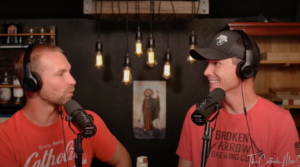
Kirk Cameron – Fatherhood, Faith & Fighting for Your Family
A direct and honest conversation about cultural pressure, spiritual responsibility and what it means to actively protect and lead your family in today’s world.
If you want a deeper understanding of your role
Role of the Father, According to Exorcists
This episode highlights the spiritual authority of fathers and why their presence and leadership matter more than most men realize.
If you are focused on forming your kids well
Raising Upright Kids in an Upside-Down World (Dr. Ray)
A practical discussion on building virtue in your children and resisting cultural confusion without becoming harsh or fearful.
What Fighting for Your Family Actually Looks Like
When people hear the phrase, “fighting for your family”, it can sound intense or aggressive. But in reality, this type of battle is usually silent. It manifests itself in the everyday choices you make, the tone you set at home, and the priorities you won’t be willing to compromise. It is not about anger and control. It is about being intentional in a world that is constantly pulling families in different directions.
In the real world, it can often be a few steadfast commitments that shape the environment your kids grow up in:
Protecting your family’s spiritual life.
Making sure faith doesn’t get squeezed out by schedules or distractions. This could mean protecting Sunday, praying briefly together, or keeping Mass at the center of your week.
Setting thoughtful boundaries around culture
Fathers cannot control all that their children are exposed to, but they can help to exercise control over how the family engages with media, technology and outside influences. Clear limits, combined with honest conversations, help children find their way in a confusing world.
Leading in your household by design.
Instead of floating with whatever pressures present themselves, you are attentive to what is influencing your home and intervene when something starts to pull the family in the wrong direction.
Four Ways Catholic Fathers Lead Today
Many fathers feel the pressure to get everything right, but spiritual leadership is hardly ever going to come by way of a dramatic gesture or perfect plan. In most families it has grown in the context of normal decisions repeated over time. The tone you set, the priorities that you protect, the example you give – these things have a quiet influence on the world your children grow up in.
Protect the Spiritual Environment of the Home
Every home develops a culture. Certain things become normal and others just do not happen. Fathers affect that culture more than they realize. When prayer has a visible place in the house, when Sunday is treated as important and when faith is spoken about naturally rather than awkwardly, children begin to see that God is not just part of church life but family life as well.
Protecting that environment does not require long speeches. It is usually small consistent choices that demonstrate what is really important.
Be a Model of Repentance and Humility
Children observe their parents carefully, especially when things go wrong. A father who can admit he was impatient, apologize sincerely and try again teaches something powerful about the Christian life. Faith is made real when children can see that repentance is normal and growth is possible.
Moments like that form the way that children understand forgiveness, responsibility, and grace. They learn that holiness is not about pretending to be perfect but returning back to God again and again.
Set Limits Around Technology and Culture
The modern world brings an enormous amount of influence into the home through phones and social media and entertainment. Those influences often shape the way children see themselves and the world long before the parents realize it. Fathers who are leading intentionally are listening to this and provide reasonable boundaries that keep their family attention and formation protected.
Learning to direct those influences wisely is a big part of building a strong fatherhood and Domestic Church, because the culture within your home will eventually shape the way your children interpret the culture outside of your home.
Invest Deeply in Your Children
At the end of the day spiritual leadership is an increase from presence. Children need fathers who pay attention to them, who ask questions, and who are willing to spend time together in a distraction-free environment. That investment need not be complicated. Sometimes it’s a conversation after supper, in the car, or in quiet time before bed.
When fathers are consistently interested in their children’s lives, they are communicating something deeper than advice could ever do. They show their presence is steady and their family is more important than anything competing for their attention.
Try This One Thing This Week
Do not attempt to fix everything simultaneously. Fatherhood is not increased by dramatic changes that last a few days but by little, constant actions. This week, think about three simple habits to help you be more present and intentional about your family.
Day 1–2
Put your phone away at dinner time. Leave it in another room or turn it off totally. Use that time to actually be present with your family, and listen to what your kids are saying.
Day 3–5
Pray briefly with your kids. It does not have to be complicated. A simple Our Father, a short blessing before bed or a short prayer for someone in need is enough. The goal is not length, but consistency.
Day 6–7
Have one intentional faith conversation. Ask your children something simple, like what they remember from Mass or what they think one certain virtue means. Keep the tone relaxed and curious and not a lecture.
FAQs
What is the role of a Catholic father?
A Catholic father helps set the tone for the family spiritually by setting the tone at home. That includes safeguarding Sunday, encouraging prayer, and providing daily life examples.
How do fathers lead spiritually without being controlling?
Leadership is about example and consistency, not pressure. Invite your family into prayer and faith practices rather than forcing them.
How do I protect my kids from culture?
You cannot block everything, but you can guide how your family engages with it. Set boundaries, stay involved in their lives, and talk openly about what they encounter.
What if I feel unprepared as a father?
Most fathers feel that way at times. Start with small steps like prayer, presence, and honesty. Growth usually comes through practice, not perfection.
Is it too late to start leading my family spiritually?
No. It is never too late to begin. Even small changes in consistency and presence can make a real difference over time.