In daily life, it often feels like nothing more than a practical tool that helps you stay organized.
But memory silently plays a much bigger role in the kind of life a man builds. The things you remember most often start to form the way you think, what is important to you and how you react when things get tough.
A man who remembers the consequences of his past mistakes approaches decisions differently the next time. A man who remembers the example of a wise father, mentor or priest often finds himself trying to live up to that example. Even something as simple as remembering a line of Scripture or a lesson you once heard can suddenly guide a decision when the right moment comes.
Here’s what you’ll walk away with:
- What the Church means when it speaks of memory
- Why memory affects virtue more than most people realize
- Ways you can build and strengthen memory to serve you in your spiritual life
Why Memory Shapes the Way We Live
Memory silently influences how you approach life. The things you carry in your mind affect how you interpret what’s going on, how you respond in challenging situations, the habits you start forming over time.
In practical terms, memory has effects on things like:
- How you interpret situations
- How you make decisions when something unexpected happens
- How certain habits gradually take root in daily life
Think about how this works in everyday moments. When you clearly recall a mistake you made in the past, that recollection often slows you down the next time a similar situation arises. Instead of reacting automatically, you are a bit more cautious and thoughtful about it.
The same thing happens with the good examples. When you think back to how a father, mentor, or friend you respect handled a situation with wisdom, that memory often acts as a quiet reference point when you are trying to decide what the right response should be.
Listen: TCMS Conversations on Virtue and Memory
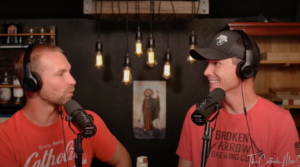
If you want to dig into this idea a bit more, these conversations from The Catholic Man Show help unpack the concept of how memory, experience, and virtue work together in real life. Think of it like a simple listening pathway that you can traverse on a commute or a walk where you can allow the ideas to sink in as you reflect on your own experiences.
Start here
Virtue, Memory, and the Free BBQ Sandwich
A discussion of how memory affects how we grow in virtue and why the lessons we learn with our memories from our past experiences often shape the choices we make in the future.
Go deeper
Virtue of Prudence – Fr. Gregory Pine
Prudence often depends on memory, since wise decisions are usually made from remembering what you’ve learned through experience.
For building deeper character
This discussion explores how humility helps you reflect honestly on your life, which makes it easier to learn from past experiences and grow from them.
The Forgotten Role of Memory in Virtue
When people think about growing in virtue, they typically think of moments of decision. You’re faced with a situation, you do the right thing, and that’s how character is built. But the Christian tradition has always known that something else is quietly supporting those decisions: memory.
The decisions you make today are often influenced by what you recall from yesterday. A mistake you made in the past, or a bit of advice that stuck with you or a time someone dealt with a situation in a smart way can suddenly come to mind when you need it.
Memory quietly holds things such as:
- Wisdom that you picked up from experience
- Moments when you learned something important
- Moral lessons that helped you to see things more clearly
When those lessons are with you, they start influencing the way you approach new situations. Instead of blindly reacting, you’re drawing from something you’ve already learned.
When those lessons fade from memory, though, the opposite tends to happen.
You are making the same mistakes over and over again
Good advice you once heard but can no longer recall
Each new challenge is like figuring things out from scratch
This is why memory has such an important role in prudence. Prudence is the virtue that helps you judge the right thing to do in the moment, but it often relies on your memory of what you’ve already done to recognize what wisdom really looks like.
How Modern Life Weakens Our Memory
One of the silent challenges of contemporary life is that there is rarely time to reflect on it. Most days are a whirlwind of one task to another and the mind is always being drawn to the next message, the next update, the next piece of information. In conversations about virtue and ordering your life, this is an important point because when attention is always bouncing all over the place it becomes much harder for meaningful experiences or lessons to actually stick.
A few habits in modern life tend to weaken memory without us really noticing.
Constant scrolling
Many people reach for their phone whenever there is a moment to spare. Over time, this fills in the little gaps in the day where you used to be able to think, reflect, or just sit with an idea for long enough for it to remain in your mind.
Information overload
We absorb much more information than any previous generation ever had to process. News, opinions, videos, podcasts, messages, everything is competing for attention, and when the mind is constantly absorbing new things, it’s hard for any of it to settle down deeply.
Shallow attention
When attention remains on the surface, important moments pass swiftly. A good talk, a helpful piece of advice, or a meaningful insight may seem to be meaningful in the moment, but it disappears just as quickly.
How Fathers Shape the Memory of a Family
Families are not only built through routines and responsibilities. Over time, they are also shaped by the memories that keep coming back in everyday life. Certain stories get told again at the dinner table, certain traditions return every year, and certain lessons seem to come up whenever something important happens in the family.
Shared Memories Shape Family Culture
Every family slowly develops its own set of shared memories. These might be small traditions, moments that everyone laughs about years later, or lessons that parents repeat when their kids face challenges.
Over time, these memories become part of how children understand their home. They begin to recognize what matters in their family and what kind of values their parents are trying to pass on.
Fathers Help Decide What Gets Remembered
Fathers often play a bigger role in this than they realize. The stories you choose to share, the experiences you talk about, and the lessons you repeat when life gets difficult tend to stay with your children.
It might be a story about a mistake you made and what you learned from it. It might be a tradition your family keeps every year. It might simply be the way you talk about faith and the role it plays in your life.
Over time, those memories begin shaping how your children think about life, faith, and the kind of person they want to become.
Try This One Thing This Week
If memory really shapes the way you grow in virtue, then one of the best places to start is simply paying attention to the lessons life is already teaching you. The goal this week is not to add something complicated, but to become more intentional about remembering and passing on what matters.
Day 1–2
Notice one lesson you have learned recently. It might come from a mistake, a conversation, or something that made you stop and think.
Day 3–5
Write that lesson down somewhere or repeat it to yourself during the day. The simple act of returning to it helps it settle more firmly in your mind.
Day 6–7
Share a story or lesson with your children or someone close to you. When you speak about something you have learned, it tends to stay with you much longer.
FAQs
What role does memory play in virtue?
Memory helps you hold on to the lessons life teaches you. When you remember what you have learned from past experiences, it becomes easier to approach new situations with a little more wisdom.
Why does memory matter in the spiritual life?
Many parts of the spiritual life rely on remembering what is true. A line from Scripture, a prayer, or a lesson you once heard can suddenly come back to mind at the exact moment you need it.
How can I strengthen my memory as an adult?
Simple habits go a long way. Taking a moment to reflect on the day, writing down a lesson you learned, or repeating something meaningful helps it stay with you longer.
Can family traditions help shape memory?
They can a lot. Traditions create moments that children remember for years, and those memories often carry the values and faith that were part of those experiences.
Does memory help with moral decision making?
Yes, because many good decisions come from remembering what you have already learned. When past experiences stay with you, they often guide how you respond the next time a similar situation appears.